New Leader? Six Suggestions for Closing Your Context Gap
Note from Art: Don’t miss out on the combined Management Excellence/Building Better Leaders e-newsletter. Sign up and join our database before midnight, Wednesday, December 16, 2009 and you might just win a copy of my book (with Rich Petro), Practical Lessons in Leadership-A Guidebook for Aspiring and Experienced Leaders.
–
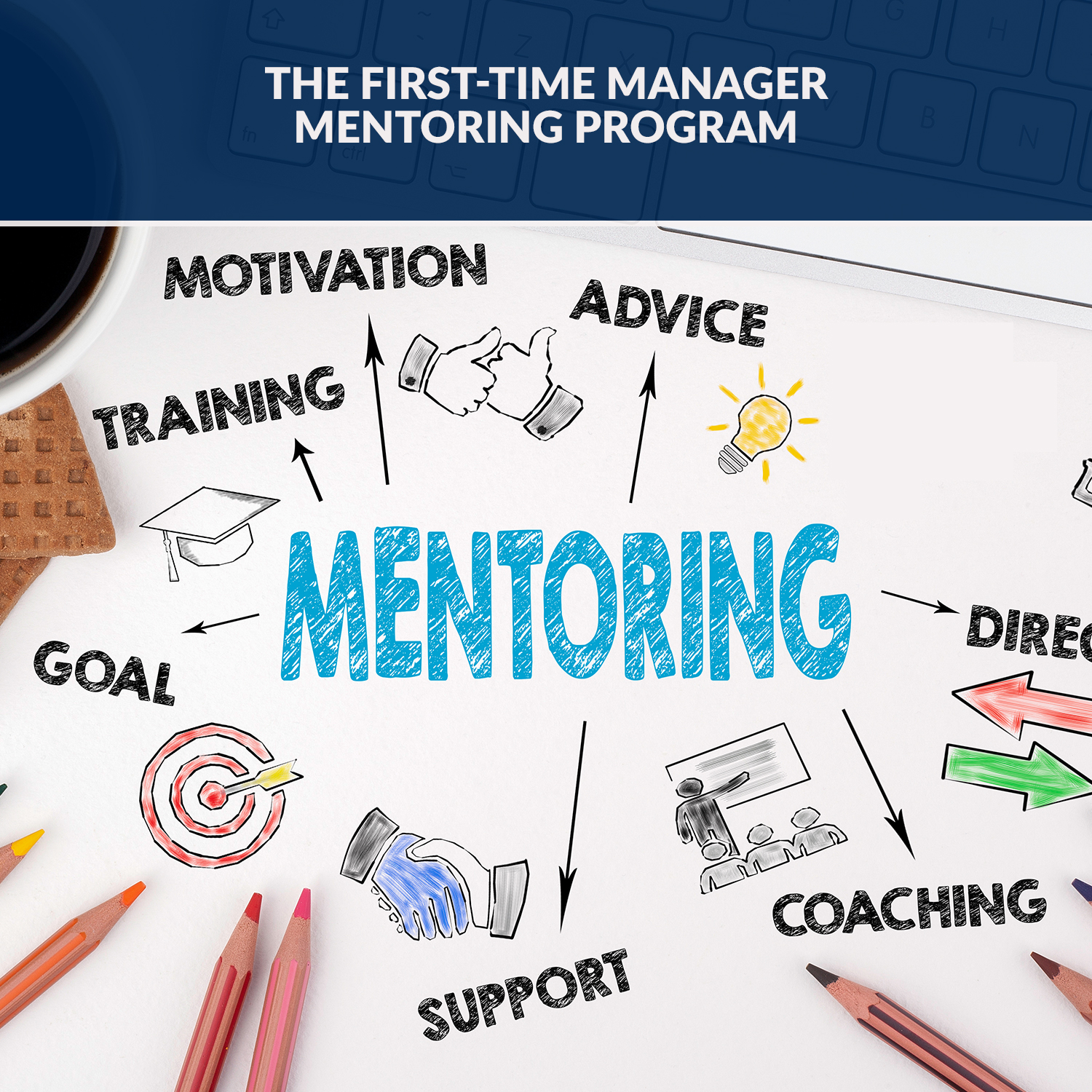
New leaders…either those that are first-time leaders or those that find themselves responsible for leading a new team, deal with extremely high degrees of ambiguity at start-up. They lack context for the people, the team culture, the issues, group and individual dynamics and so many important variables in the environment, that they find themselves acting on instinct or avoiding acting because of this knowledge gap.
One of the critical challenges for the new leader is quickly closing this context gap to gain a solid footing for decision-making, agenda creation and ultimately to begin driving improvements and better alignment around the organization’s key objectives.
While experienced leaders understand that information is never perfect, they also understand the importance of asking the right questions, listening carefully and observing to quickly assess the culture, people-dynamics and key issues.
Six Suggestions for Closing the Context Gap:
- Meet one on one with everyone that works for you soon after gaining responsibility for a new team. Use the three critical questions: What’s working? What’s not? and What do you need from me to help you better execute your job?
- During the one-on-one sessions, resist the temptation to preach about your own agenda. The reality is that you want help and input in defining the new agenda.
- Share the findings from What’s Working/Not Working? with your team members in a group setting. Ask the group to to interpret the answers/lists and define actions and needed improvements.
- Get outside of your own group and meet with your counterparts in other functional areas. Ask the same three questions, with a twist on #3 to learn what your team can do better to support internal customers.
- Meet with customer facing colleagues or customers to gain insight into what his happening in the market with customer, partners and competitors. Communicate this information to your team.
- Encourage your manager to clarify key corporate strategies and goals and to define how your team is accountable to helping achieve those goals.
The Bottom-Line:
Spend quality time asking questions and listening inside and outside of your team. Share insights and involve your team in interpreting the insights and translating them into priorities and actions.
Your ability to learn to ask the right questions, listen carefully and to communicate your findings to your team members will help you close your start-up context gap. Follow this approach and your credibility as a new leader will grow quickly as your team appreciates your efforts to involve and educate them from the start.
New Leaders, Twitter and the Volunteer Management Conundrum
Filed under: Career, Leadership, Life and Business, Marketing, Your Professional Development "To Do" List
A collection of sound bites and developmental suggestions for busy professionals:
The Challenges of New Leaders: Feedback on Practical Lessons In Leadership:
Thanks to Dan McCarthy at Great Leadership for featuring my book with Rich Petro, Practical Lessons in Leadership, on his blog today. Dan features material from the book focusing on: The Top Ten Challenges of the New Leader. Please click over to Dan’s site to remind yourself of these challenges and importantly, check out his consistently outstanding blog content.
–
Networking, Collaborating & My Twitter Experience
What started out as a bit of marketing curiosity has turned into a great and productive networking experience for me on Twitter. I continue to meet new and talented professionals on a daily basis and to share ideas and even identify opportunities to collaborate. Share a good idea or thought and watch it spread like wildfire. Have something new to offer in your business, as long as you are genuine and credible, watch the community jump on your idea and spread the news.
I know a number of marketers that I really respect that don’t have a seat at the Twitter Table yet. Fair warning, that this is a potent tool for professional networking, research and brand building. It’s time to pull up a chair and join the discussion.
–
Managing Volunteers: A Non Profit Management Conundrum
One of the more rewarding activities that I am involved with, includes working with a great group of professionals to help change the shape of volunteering in our community.
Volunteerism is certainly popular in our culture thanks to the encouragement of our leaders in Washington and in response to the many societal challenges that we face. The fact that more people have time on their hands due to a sudden outbreak of unemployment is a factor as well.
A paradox that I find fascinating is the fact that so many nonprofits truly need the help of volunteers in pursuit of their mission, yet it is fairly common for volunteers to report having had a poor experience. It seems that many non profit organizations struggle to create the processes and infrastructure that allow for effective selection, on-boarding and management of volunteers.
In a Fast Company article titled: Why Volunteers Don’t Come Back, the author highlights research suggesting that as many as one-third of the volunteers from a prior year don’t return—a loss of labor worth an equivalent of $40 billion. The biggest competitor to volunteering? According to the author, studies indicate that watching television is the number one alternative use of time.
At a high level, it seems like there are two issues. As part of our local community efforts, we need to help our community nonprofits develop efficient and effective systems for managing the volunteer process and improving the overall experience and outcome for all parties. This is an eminently solvable management task!
The second issue is a fundamental reality check on how we prioritize our time. The advent of low cost DVRs makes it pretty hard to explain why people need to sit at home at night glued to the tv screen. It’s time to get out into the community and help solve some problems.
The Bottom-Line for Now:
I’ve offered three suggestions here for you to help make a difference. No charge!
1. Pay attention to the developmental needs of new leaders
2. Get started on Twitter and figure out what it can mean to you and your organization
3. Become part of the solution in your community and volunteer.
In particular on the last point, let’s put our heads together and help our non profits do a better job managing their talented and enthusiastic volunteer resources, before they lose them to the latest episode of Lost.