Career planning is oxymoronic in this era.
Preparing for a series of career changes is a different story.
Over the coming decade(s), industries and vocations will rise, flourish for a moment and then fade.
For moments in time, those with the spot-on right education and skills for the hot markets will ride a rising tide. But that tide will fade as well.
We all face the need to continually hone our skills, diversify and expand our education, and learn to grow comfortable being uncomfortable about stability.
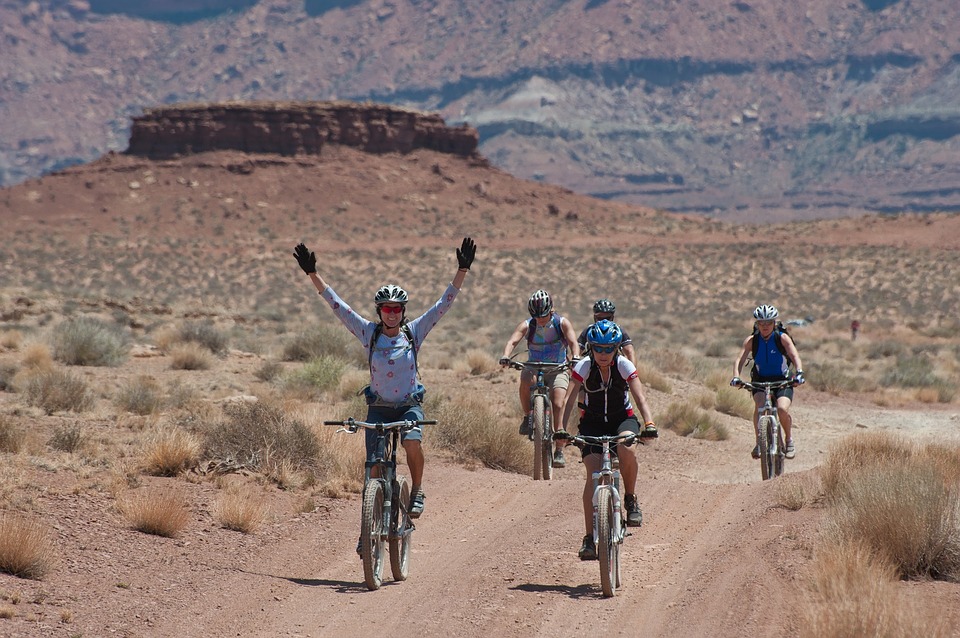
Instead of viewing your career as a path or road stretching out in front of you, consider it a series of adventures or explorations into parts unknown.
[bctt tweet=”I don’t know a single successful person who doesn’t consume the ideas of others, mostly from reading.” username=”artpetty”]
Luck–Expect Some:
You will have luck—some of it bad.
As the explorer, Roald Amundsen suggested: “The critical question is not whether you have luck, but what you’ll do with the luck you get.”
And
“You don’t wait until you’re in an unexpected storm to realize you need more strength and endurance.”
Prepare accordingly.
How to Prepare for Your Next Career Adventure:
1. Keep your mind open and flexible.
As we move through life, we tend to close our minds to ideas that challenge our core assumptions.
Your openness to fresh ideas and alternate approaches will serve you well.
To do this: read.
Read more.
I don’t know a single successful person who doesn’t consume the ideas of others, mostly from reading.
My recommended categories:
- How the brain works. We are living in a golden age of brain research based on advancements in technology.
- History. Everything is new, except for human nature. It’s true that if you don’ know the mistakes of the past, you are doomed to repeat them—on a large scale.
- Biographies of inventors, explorers, business pioneers, artists and ordinary people who overcame extreme adversity. Notice the common denominators. Ask yourself: How can I apply these success factors to my life?
2. Seek Change.
Most people blindly defend the status quo. Instead, set a little alarm in your brain that goes off just when you are starting to feel comfortable.
Do this enough, and you will grow uncomfortable being comfortable.
I left a job and firm I loved because I wasn’t growing. It was too comfortable. It felt like home, and I was tempted to relax. Instead, I left on a high note and exposed myself to a new adventure.
The new adventure was a disaster. But it led to the best adventure of my career. It took navigating one bad career adventure to lead to the other.
We are the total of what we learn along the way. If you don’t change, you stop learning.
Mostly, say “yes” to new opportunities at work. It’s the only way to learn.
3. Strive to Find Out What It’s Like to Be You at Your Best:
I’ve lived  multiple lifetimes via my various careers. Ultimately, I’ve been working my way back to what I was intended to do all along: help others in ways I am uniquely suited for.
In my case, my work as a coach, mentor, speaker, teacher, and author are all part of me striving to be myself at my best by helping others.
Work to align your pursuits with the dreams of your youth. (See my post: “Revisiting What It Takes to Become You at Your Best.” )
I am convinced our younger selves understand what we’re intended to do with our lives.
We spend a lot of time and soak up a lot of bad advice from well-intended people fighting that innate urge.
Many of us in middle-life go on a search to rediscover what allows us to be ourselves at our best.
Those who achieve true happiness in their work stop fighting our true nature. We align with our superpower(s), and we find unique ways to apply those abilities.
4. Don’t be afraid to find new friends.
Sometimes this means letting older friends go.
5. Mostly, say “yes” to new opportunities at work.
 As your organization ebbs and flows, new opportunities will jump out at you. Say “yes” more often than not.
If you are in an environment that is stagnant, leave.
6. Don’t let setbacks dull your innate sense of self-confidence.
Don’t let unsolicited, unqualified feedback create self-doubt. Too many of us allow others to fuel our internal self-doubt monster.
No one but you controls what you think.
The Bottom-Line for Now:
Recognize that everything you’ve done thus far is simply preparation for the next adventure. Your best work is out in front of you. Approach it as you would an adventure into the unknown. Prepare for every contingency, and then recognize that luck, good or bad, is much a function of what you do with the circumstances. Mostly, keep learning.

—