Good People or Good Ideas? The Importance of the Working Environment

September 10, 2008 by · 1 Comment
Filed under: Leadership, Leading Change 

Ed Catmul, cofounder of Pixar and president of Pixar and Disney Animation Studios offers his perspective on the people versus ideas question in a powerful and practical leadership article entitled: How Pixar Fosters Collective Creativity, in the September, 2008 issue of the Harvard Business Review.

Mr. Catmul is quick to offer his selection of “people” over ideas, a choice that almost might seem counter intuitive for the leader of an organization that clearly wins or loses on big ideas.  While acknowledging that great creativity is essential starting with the “High Concept” (the high-level idea for a new production) and continuing through thousands of steps to completing the project, he submits that it is the working environment that allows this creativity to emerge and evolve rapidly and effectively.  (As an aside, his description of moving from the “high concept” to the finished product as “an archaeological dig where you don’t know what you’re looking for or whether you will even find anything,” wonderfully describes the reality of the creative process in so many functions and industries.  As leaders, we are well served to remember that creativity doesn’t happen on command and rarely on schedule.”

Your Priority as a Leader: Create the Right Working Environment

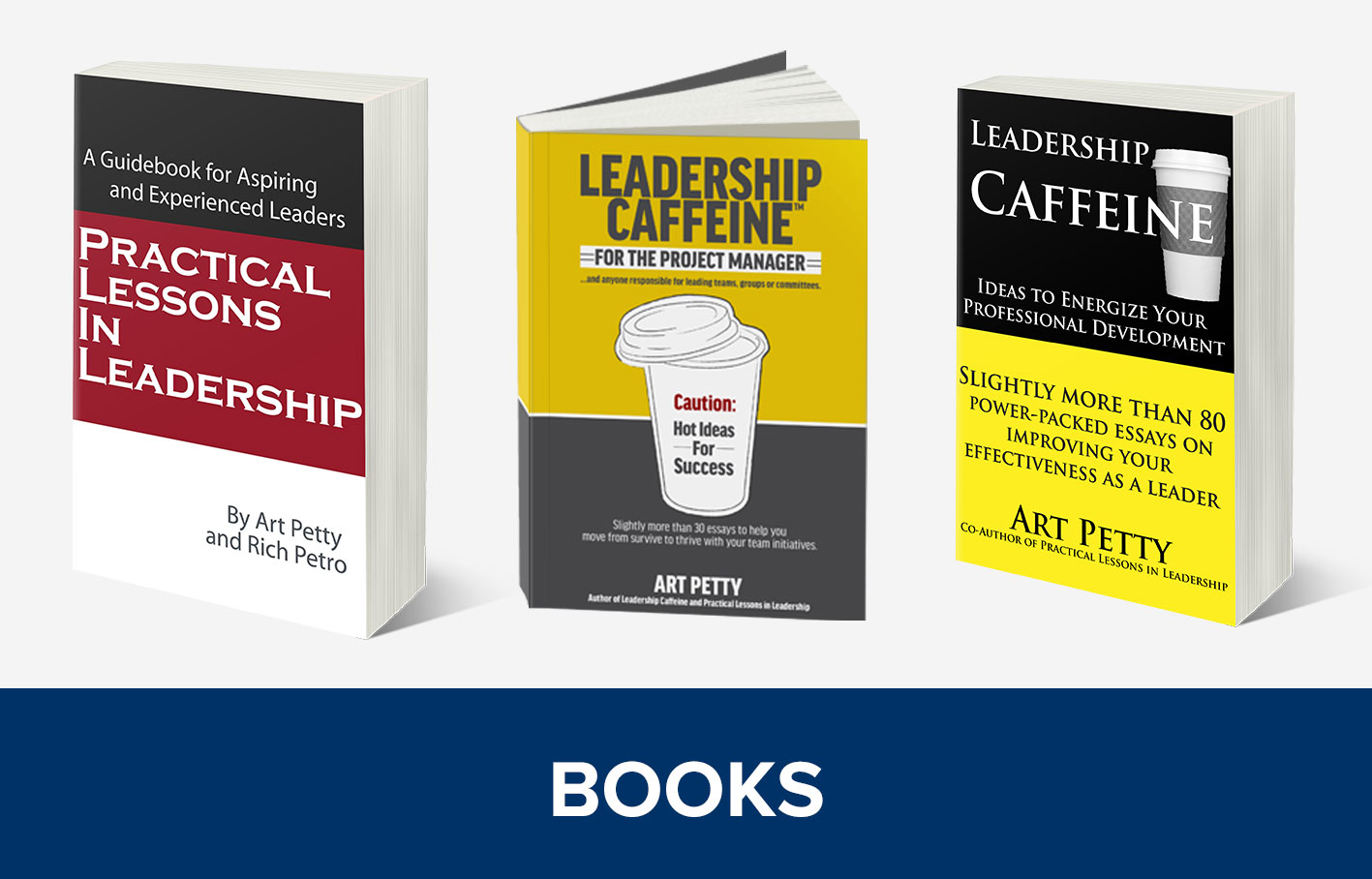
Catmul’s thesis: getting talented people to work together requires a working environment that nurtures trusting and respectful relationships and unleashes everyone’s creativity, is valid for leaders at all levels and all situations.  The concept of creating the effective working environment is so important to me that it earned a full chapter in my portion of my book with Rich Petro, Practical Lessons in Leadership.  It is also the essence of my description of “The Leader’s Charter” which starts out with the words…”The true role of a leader is to create an environment that… .” 

Mr. Catmull offers that while “most executives at least pay lip service to the notion that they need to get good people and should set their standards high, how many understand the importance of creating an environment that supports great people and encourages them to support one another so the whole is far greater than the sum of the parts.” 

This great article goes on to tie in Pixar’s three key operating principles as powerful components of their effective working environment:

  • Everyone must have the freedom to communicate with anyone (my phrase: an effective feedback culture)
  • It must be safe for everyone to offer ideas (feedback culture again)
  • Stay close to innovations in the academic community (my interpretation: foster a learning organization). 

Pixar’s operating principles emphasizing open communications, mutual respect and the development of trust are bolstered by a refreshing attitude towards risk:

"Management’s job is not to prevent risk but to build the capability to recover when failures occur." 

And on pursuing a compelling vision:

"We as executives have to resist our natural tendency to avoid or minimize risks, which is of course much easier said than done."

The Bottom-Line for Now:

After many years of leading and now several years of working with aspiring and experienced leaders in all manner of industries and cultures, I remain convinced that most individuals lack proper context for their role as leaders.  The great leaders at all levels understand that they have a unique responsibility and unique power to adapt and form their working environment to the unique circumstances at a point in time.  Less effective leaders allow the environment to form around the wrong issues including ego (theirs) and petty politics.  The lessons of Pixar are hard-won and the outcomes visible to all.  You would be well served to listen, learn and apply some of Mr. Catmul’s wisdom to your environment. 

In Search of the High Performance Project Team

May 18, 2008 by · Leave a Comment
Filed under: Leadership, Project Management 

I recently conducted a leadership workshop for a group of technical professionals at an industry conference, and as always, I walked away from the session with a couple of insights gained from the input of the participants.  One that surprised me was that after talking about characteristics of high performance project teams, I asked for a show of hands from anyone that had been a member of this type of team.  Only 5 out of 58 raised their hands.  Even discounting for the people that don’t tend to respond to "showing of hands" requests, anything even close to the 10% range here seems abysmal.

Read more

Leadership and the Winning Environment

May 15, 2008 by · Leave a Comment
Filed under: Leadership 

I never get tired of hearing stories from leaders about their winning teams in business or in high school athletics.  These stories are usually told by the leader or coach with parental pride about the remarkable success of a group of people that have figured out if they work together and in support of each other, great things can happen. 

More often than not, the leaders or coaches of these teams are quick to dismiss their own role in the success, quickly pointing to the individuals and their work habits, dedication and coordination.  While humility is admirable, the leaders that put together groups that regularly achieve and exceed goals deserve credit for helping create the environment where winning becomes a habit. (See also, The Seven Leadership Levers that Shape the Working Environment.)

From selecting and supporting the right people to caring enough to provide the tools, mentoring and constructive feedback, this leader, whether CEO, Shift Supervisor or High School Tennis Coach, is truly responsible for creating an environment that breeds success. Success as we know, tends to breed more success.  It’s a wonderful, vicious cycle. 

Read more

Improving The Executive and Project Manager Relationship

March 16, 2008 by · 2 Comments
Filed under: Leadership, Project Management 

I’ve recently become immersed in developing a much better understanding of the role, challenges and contributions of Project Management to an organization’s success, and I cringe when recalling the many examples I observed of executives strong-arming the project process to fit their objectives.  In the spirit of candor, I recall one or two instances where I might have asserted executive will to try and change the forces of the universe and get a new product out the door faster than my project manager said was humanly possible.  I also recall that the Project Manager ended up being right.

As professional project management practices (and project managers) grow in importance to a firm’s success (see my post: Struggling With Strategy? Think Project Management), it is critical that top leaders learn how to support the process rather than beat it into submission.  And because as the saying goes, "it takes two to tango," Project Managers need to learn how to "manage" their executives to minimize unproductive involvement or outright interference. 

Read more

  • Art Petty

    picture of Art Petty

  • e-Newsletter Sign-Up


  • Lead Change Member

Blog Subscriptions

Email:

RSS Feed Subscribe to Management Excellence

Connect With Me On

View Art Petty's profile on LinkedIn
Art Petty on Twitter